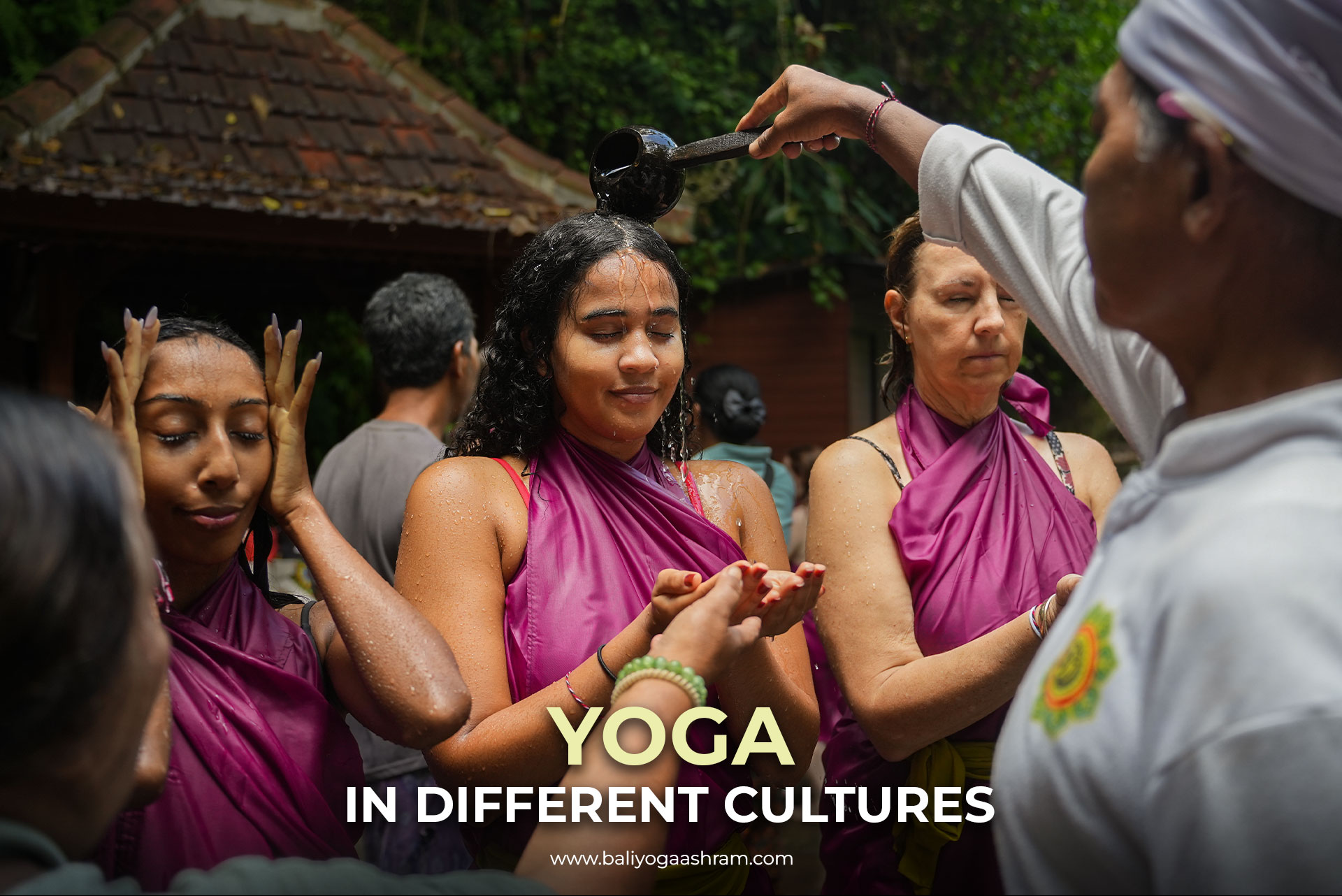
Yoga in different cultures has different ways of teaching us the same practice with different methods. Yoga in different cultures is like a river that flows across lands that takes the colors as well as rhythms of every place it touches. Yoga originally came into existence in ancient India so it has its roots in India, however, today it has spread across the world and become a global practice. Today, yoga has a new face in the culture of every country, but it still carries the same heart—union of body, breath, and mind. So, in this blog post, we would discuss the yoga traditions, the yoga lifestyle that people create with the help of yoga, as well as why the evolution of yoga matters to all of us. We will cover in this post both the old paths and the new turns. As well as, we will see how the same breath can be both calm and wild, simple and deep.
The Roots of Yoga Traditions
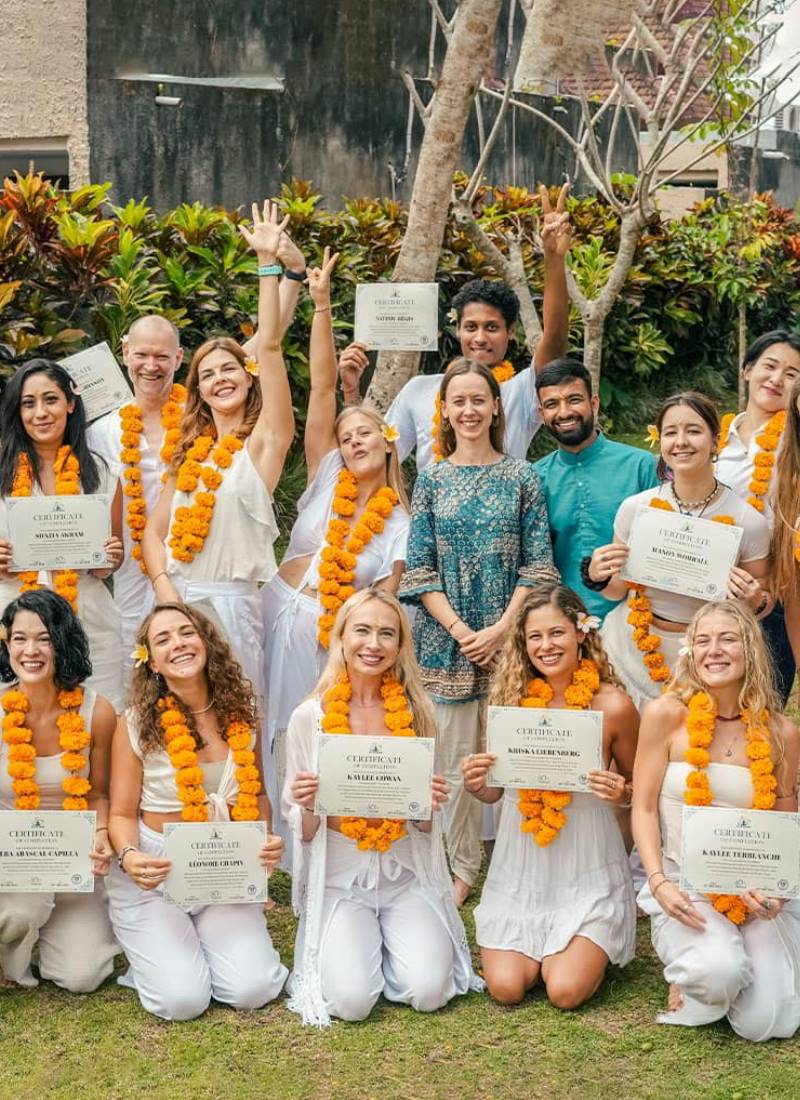
According to the earliest texts of yoga, it came into existence in India thousands of years ago. The ancient practitioners of yoga described yoga not only as physical practice of yoga postures but also as meditation, discipline, as well as a method to live life with a healthy body and mind. In the ancient time of yoga, the yoga traditions were very well connected to spirituality. Practitioners used to practice yoga for experiencing self-realization, as well as creating harmony with nature. However, as yoga traveled across the world, it adapted the rituals of all the places and got a home in different cultures including modern centers such as Bali Yoga Ashram.
Yoga and Culture: The Evolution of Yoga Across Borders
Yoga and culture have a two-way relationship. Yoga influences local culture, as well as culture shapes the yoga practice. The evolution of yoga is not a straight line; rather, Yoga evolution spreads like branches of a tree. If we study and understand the evolution of yoga, we get to know that the foundations of yoga practice remain the same all the time: breathing, awareness, and balance. In the West, yoga is supposed to be a simple and easy practice to stay fit, manage stress, as well as feel calm in a busy life. In America, power yoga as well as hot yoga got popular while in Europe, slow, restorative yoga forms grew in wellness centers. In Africa, yoga blends with local tribal movements and music. All these forms are part of the evolution of yoga. Each one mirrors the needs of its culture. Where people seek fitness, yoga becomes energetic. Where people need rest, yoga becomes calming. This natural growth is why yoga continues to thrive. In Japan, yoga makes a beautiful blend with Zen practices. In South America, yoga blends with rhythms of dance and nature. In the Middle East, yoga is supposed to be a form of gentle healing as well as mindfulness. This exchange shows the strength of yoga—it bends according to cultures, however it does not break. Diversity in yoga makes it rich without losing the spirit of yoga.
Yoga Lifestyle in the Modern World
The lifestyle of yoga is almost the same everywhere, however its expression is unique in every culture. For the people in some cultures, the Yoga Lifestyle means eating simple, plant-based food with yoga practice. In another culture, people take it as daily meditation as well as mindfulness. In cities, life is generally busy so the yoga lifestyle there can be about balancing work and self-care. In rural areas, it can be about connecting with nature as well as living slowly. The lifestyle with a yoga theme does not demand the same thing from everyone at every place. Yoga gives a chance to every person in every culture for living a lifestyle which has awareness, compassion, as well as balance if they follow even a 5-minute morning stretch, a long meditation retreat, or just mindful eating habits. Yoga retreats at Bali yoga ashram are really a very good help in developing such a lifestyle.
Diversity in Yoga: A Strength, Not a Divide
You might wonder that yoga has got many faces in different places so it has lost its essence. However, in reality, this diversity in yoga is strength not a divide. Just to make an understanding, if yoga had stayed only in one place and one yoga style or one form of yoga, it might not have reached millions of people everywhere in every culture across the world today. The diversity of yoga gives it the ability to reach children in schools, elders in homes, athletes, workers, artists, as well as healers. Because of its diversity yoga has the capability of crossing religions, languages, as well as places and getting into the lifestyles of everyone at every place. Diversity makes yoga a shared language of health as well as peace.
The Heart That Remains the Same
Despite many differences across different cultures, the heart of yoga has never changed. The basic yoga activities such as breathing, awareness, as well as unity remain the same and in the focus in every culture. The teachings of yoga are almost universal so they do not change in any culture and remain the same everywhere whether you practice in an Indian yoga ashram, a Bali Yoga Ashram, a New York yoga studio, or a small African village. Such yoga teachings are the shared feature which keeps yoga traditions alive, evolving as well as united in different cultures at the same time.
Living Yoga Beyond the Mat
Living yoga beyond the mat is a very beneficial living approach. Yoga is not limited to doing different yoga poses, it can be adopted in everyday life and make it a yoga lifestyle. The approach of living is about kindness, patience, discipline, as well as awareness in every activity you do in everyday life. So for embracing a yoga lifestyle, the approach of living beyond the mat is necessary and for that you need to follow these values in everyday life:
- Perform deep breathing daily or when life feels heavy.
- Make your every move with awareness, not only in yoga class but in every step or every task.
- Respect the culture you follow or you perform your yoga practice in, as well as honor the roots of yoga.
- Accept diversity in yoga, as it makes yoga more beautiful.
Yoga in different cultures can be termed as the story of connection. The yoga practice born in India has now touched every corner of the world. And along this way, yoga has changed, adapted, as well as blossomed into different yoga forms. This yoga evolution has kept yoga alive and thriving. It is not a fixed practice from the past, but a living tradition that grows with us. People who have interest in yoga or aspiring yoga teachers should join a yoga school in Bali such as Bali Yoga Ashram for experiencing this living tradition in a global setting as well as adapting the yoga lifestyle that helps us to live every day with balance, love, and mindfulness.