
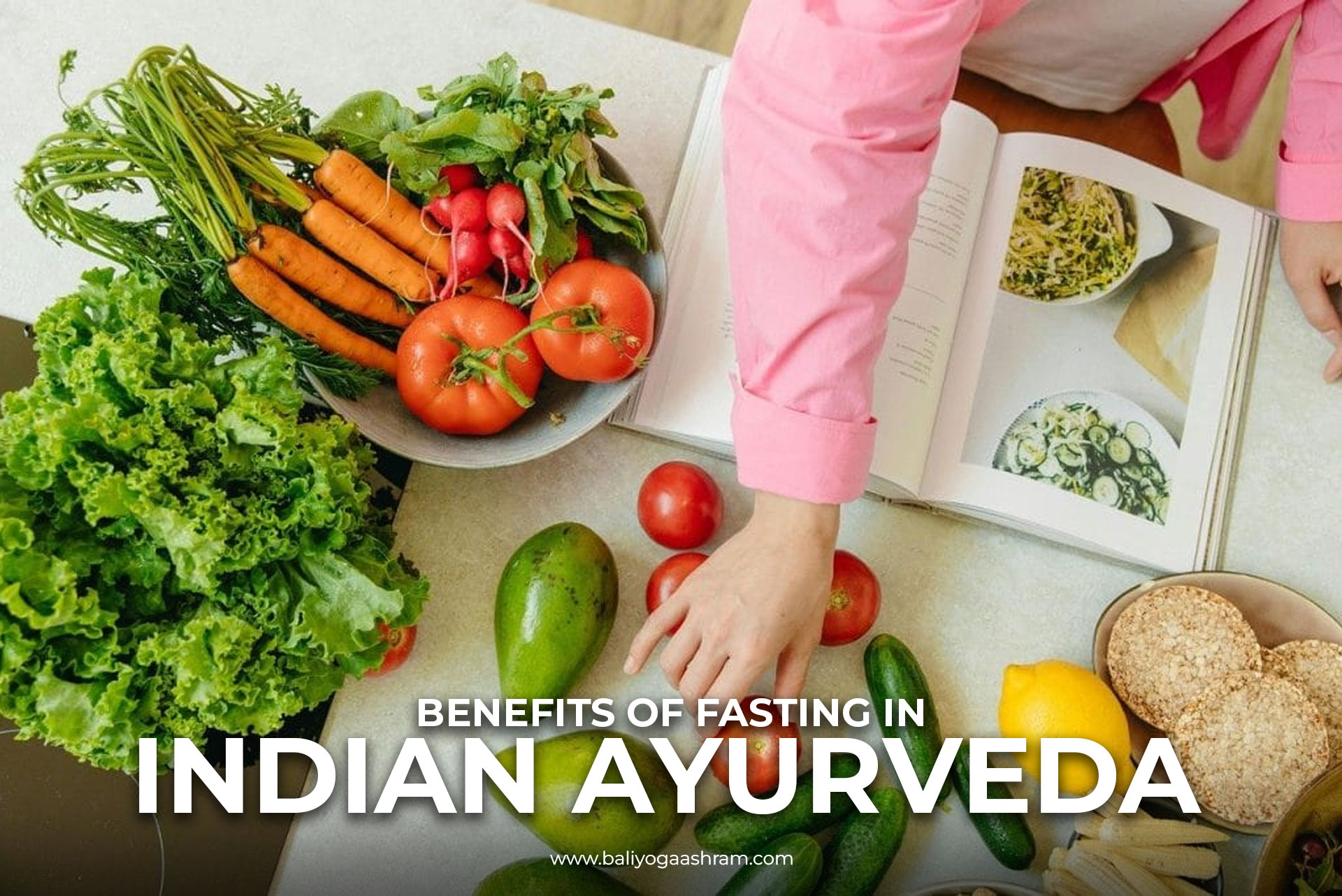
The benefits of fasting in Indian Ayurveda is a very simple and effective practice in yoga which has been a part of yogic as well as Ayurvedic lifestyle for thousands of years. Namaste, dear practitioners, today, we are going to explore a very ancient as well as powerful practice— The fasting in Indian Ayurveda that gives a big support to healing and balance in our body. The benefits of fasting in Indian Ayurveda go far ahead of weight loss or body cleansing; it helps in purifying the body, calming the mind, as well as strengthening the connection between body and spirit. According to the benefits of fasting in Indian Ayurveda, fasting is not about starving or punishing the body. It is about giving the body a gentle break from constant digestion, so it can focus on cleansing and healing. When practitioners practice it correctly, the benefits of fasting in Indian Ayurveda include increased energy, clearer thinking, emotional balance, as well as better immunity. So, let’s now understand how Ayurvedic fasting works and how you can bring it into your life safely and mindfully.
Understanding Fasting in Ayurveda
Fasting in Ayurveda is a yogic as well as Ayurvedic concept which is based on the principle of developing a healthy balance between Agni (digestive fire) and Ama (toxins). When we eat without proper hunger, or when we eat heavy as well as processed foods, it generates toxins in the body. These toxins block energy channels and cause disease over time. The purpose of Ayurveda and fasting is to light up the digestive fire as well as clear out the waste.
There are various Ayurveda fasting guidelines according to your body type such as Vata, Pitta, or Kapha; your health condition, as well as the season. For example:
- A Kapha person can have fasting on warm herbal teas or light soups.
- A Pitta person may do better with fruit-based or coconut water fasts.
- A Vata person needs nourishing but easy-to-digest foods such as kitchari or steamed vegetables for fasting.
So, in Ayurveda as well as intermittent fasting, one size does not fit all. It’s about choosing the method that supports your body constitution and energy level.
Ayurvedic Fasting Types and Protocols
There are different types of fasting in Ayurveda according to the ancient texts. Let us just look at some common types:
- Ekadashi Fasting – This fasting is performed every 11th day of the lunar cycle, it is a water fasting or fruit-only fasting.
- Juice Fasting – In this type of fasting, fresh vegetables as well as fresh fruit juices are consumed. It helps detox and nourish the body at the same time.
- Mono-Diet Fasting – Practitioners in this fasting, have one simple food such as moong dal khichdi for 1–3 days for resting the digestive system.
These types of fasting in Ayurveda follow certain Ayurvedic fasting protocols such as no overeating the day before, avoiding cold food during the fasting time, as well as breaking the fast slowly with warm liquids. These Ayurveda cleansing methods are gentle and very effective to clear Ama as well as balance the Doshas. You may also support your fast with herbs like triphala, ginger, or cumin water.
Ayurveda and Intermittent Fasting
Today Ayurveda and intermittent fasting, is a modern trend with ancient roots. Many people today practice intermittent fasting for weight loss, where they eat during a certain window (say 8 hours) as well as fast for the remaining 16 hours. This fasting process is helpful in reducing body fat, improving digestion, and supporting metabolism. However, Ayurvedic fasting encourages the practitioners to follow the rhythm of nature. According to Ayurveda, the practitioners of fasting in Ayurveda should have their last meal before sunset, instead of late-night meals, so that their body can use the night time for cleansing and repairing. If we combine Ayurveda and intermittent fasting, we can focus on:
- Having food only when feeling hungry
- Choosing warm as well as easy-to-digest foods
- Avoiding processed and heavy to digest food items
This gentle form of intermediate fasting for weight loss aligns well with the wisdom of Ayurveda and the needs of modern lifestyles.
Benefits of Fasting in Indian Ayurveda
Let us now look at the top benefits of fasting in Indian Ayurveda that a practitioner can experience when he or she practice the Ayurvedic fasting regularly:
- Improving Digestion: It gives your stomach time to rest as well as boost your digestive fire (Agni), that makes your digestion strong.
- Removing Toxins: Fasting helps in removing Ama (toxins) from the tissues as well as organs through natural elimination.
- Boosting Immunity: Having a clean system, your body is able to fight illness better. Fasting gives strength and makes us able for fighting diseases.
- Calming the Mind: Fasting in Indian Ayurveda makes our mind still, calm, focused, and clear. A calm mind develops the state of meditation and inner peace.
- Weight Management: Generally people perform intermittent fasting for weight loss. It reduces bloating, cravings, and supports fat burning naturally.
- Improving Energy: Proper fasting gives lightness as well as clarity that makes you feel alert and energized.
- Better Sleep: A clean system ensures less digestive work at night, which gives you deep as well as restful sleep.
These are some common benefits of detox fasting if the fasting is performed according to proper Ayurveda fasting guidelines.
How to Practice Ayurvedic Fasting Safely
If you’re a beginner, you don’t need to jump into long fasts. Start with these Ayurvedic fasting protocols:
Begin with a light dinner by 6:30–7 PM.
Skip breakfast once or twice a week and start with herbal tea or warm water.
Choose one day a week for a simple ayurvedic fasting with fruits, soup, or khichdi.
Refrain from cold, fried, or packaged food before and after the fast.
Fasting and Yoga: A Perfect Pair
Fasting and Yoga make a perfect pair as yoga practitioners aim to live with awareness and balance. Fasting in Ayurveda supports this aim very beautifully. It makes our asana practice lighter, helps us go deeper in pranayama, and allows clarity during meditation. Yoga supports the Ayurveda cleansing methods by activating the energy channels and helping toxins move out of the body faster.
The fasting in Indian Ayurveda gives all types of benefits such as physical, mental, as well as spiritual. Fasting in Indian Ayurveda is not about skipping meals—it is about resetting, rebalancing, and renewing your whole being. Whether you try intermittent fasting and weight loss approach or a traditional Ayurvedic fasting approach, pay attention to your body and practice fasting wisely. If a practitioner practices fasting mindfully, it can be one of the most healing gifts you give yourself. We should all include this ancient practice into our daily lifestyle—not as a quick fix, but as a steady path toward health, peace, as well as inner joy.
The main benefits of fasting in Indian Ayurveda are improved digestion, removal of toxins (Ama), higher immunity, right weight loss, mental clarity, calm mind, improved energy levels as well as emotional balance.
No, they are not exactly the same. Ayurvedic fasting follows personalized guidelines according to body type, season, and digestion. Whereas, in intermittent fasting, we need to focus mainly on eating within a specific time window. However, both types of fasting can be practiced in combination but very mindfully. The combined form of fasting gives better results.
Absolutely Yes, beginners can start Ayurvedic fasting at their home and for that, they just need to skip dinner once in a week or have a mono-diet such as khichdi. However, a beginner should avoid extreme fasting in the beginning.
Yes, fasting in Indian Ayurveda gives a big help for reducing body fat as it improves metabolism as well as digestion. Indian Ayurvedic fasting is a natural and healthy approach for losing weight if a person performs it mindfully.
You should break your ayurvedic fast with light, warm, as well as easy-to-digest foods such as soups, fruits, khichdi etc. You should not take cold, fried, or processed items immediately after fasting.
Recent Posts
- The Rise of the “Hybrid” Teacher: Combining In-Person Immersions with Digital Mentorship
- The Neuroscience of Pranayama: How 6 Breaths Per Minute Calms the Nervous System Naturally?
- Change Your Passion into Purpose with a Yoga Teaching Course
- Find Your Inner Teacher with Transformative Yoga Instructor Training
- The Ultimate Guide to Training to Be a Yoga Instructor